Montenegro · The Riviera
Budva
Twenty-five centuries old and twenty-five years young — a Greek-walled old town running the loudest riviera on the eastern Adriatic.
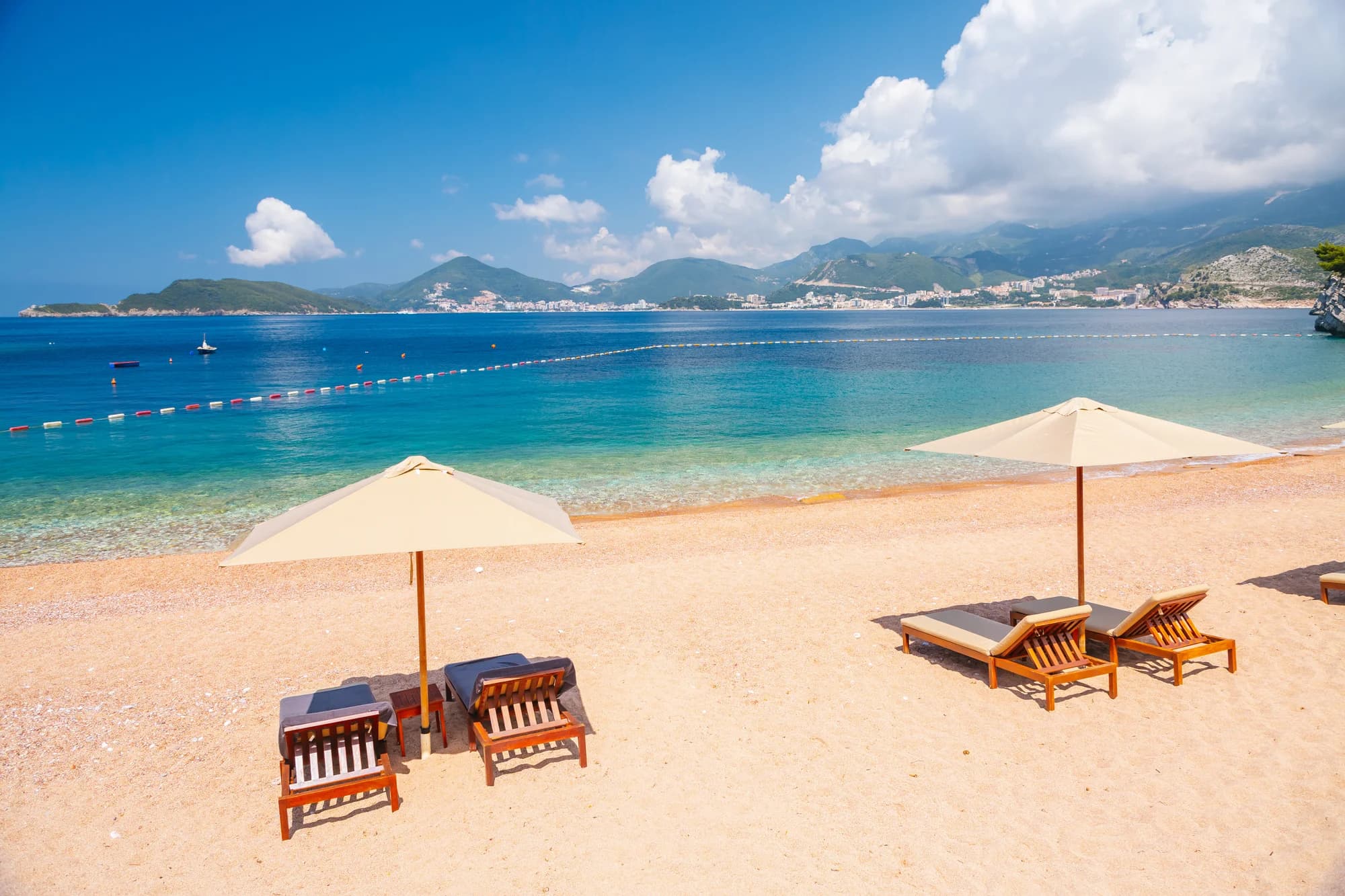
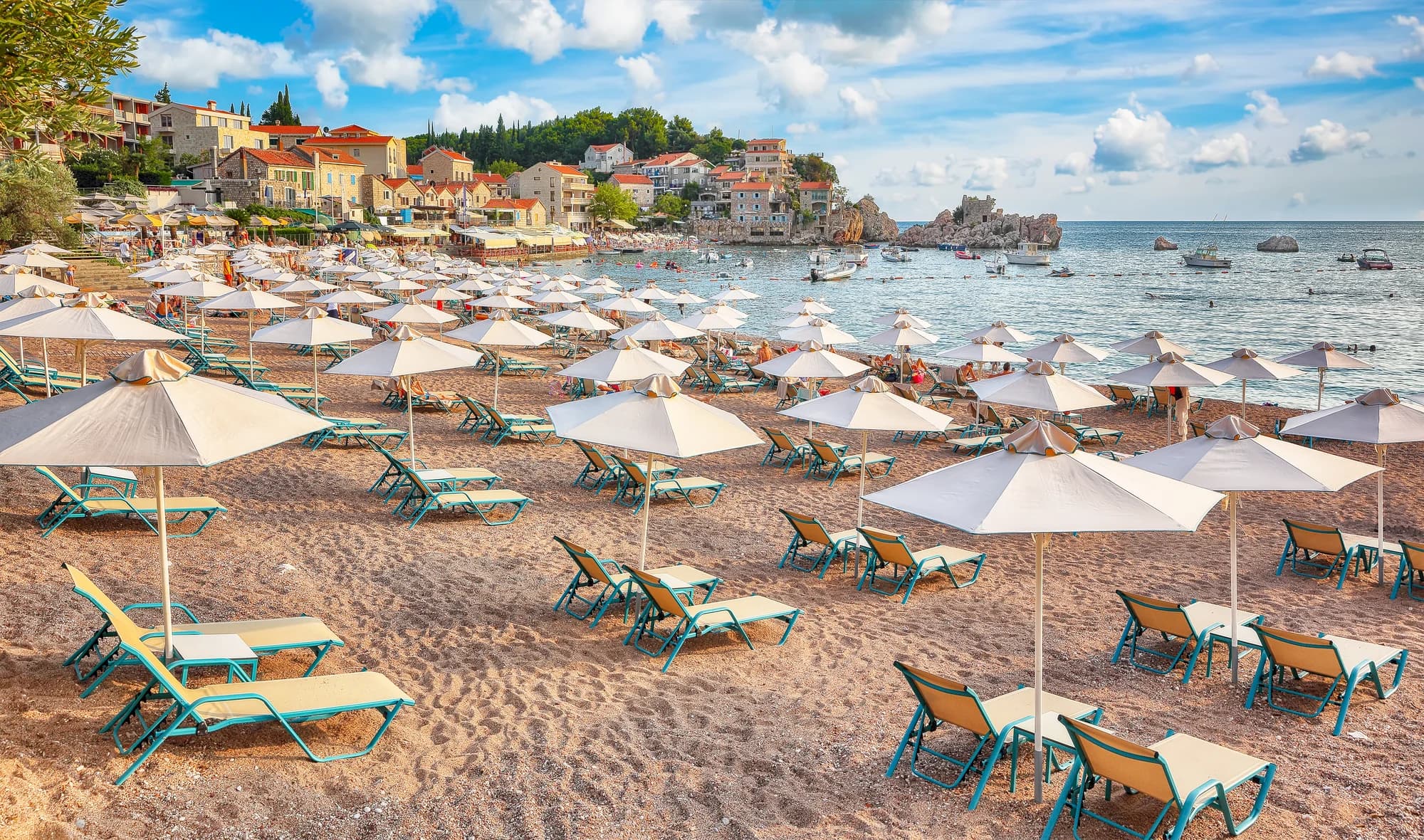
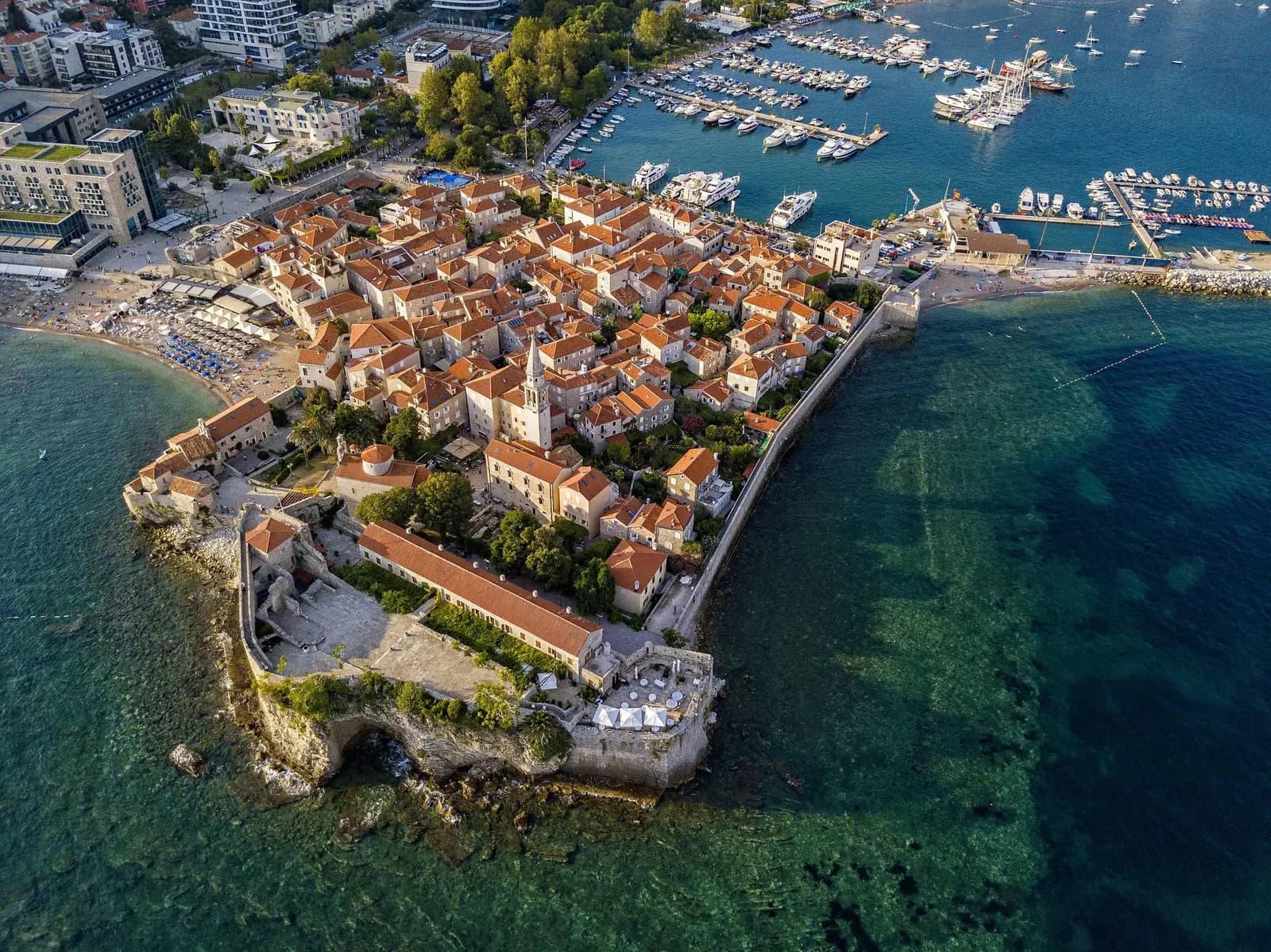
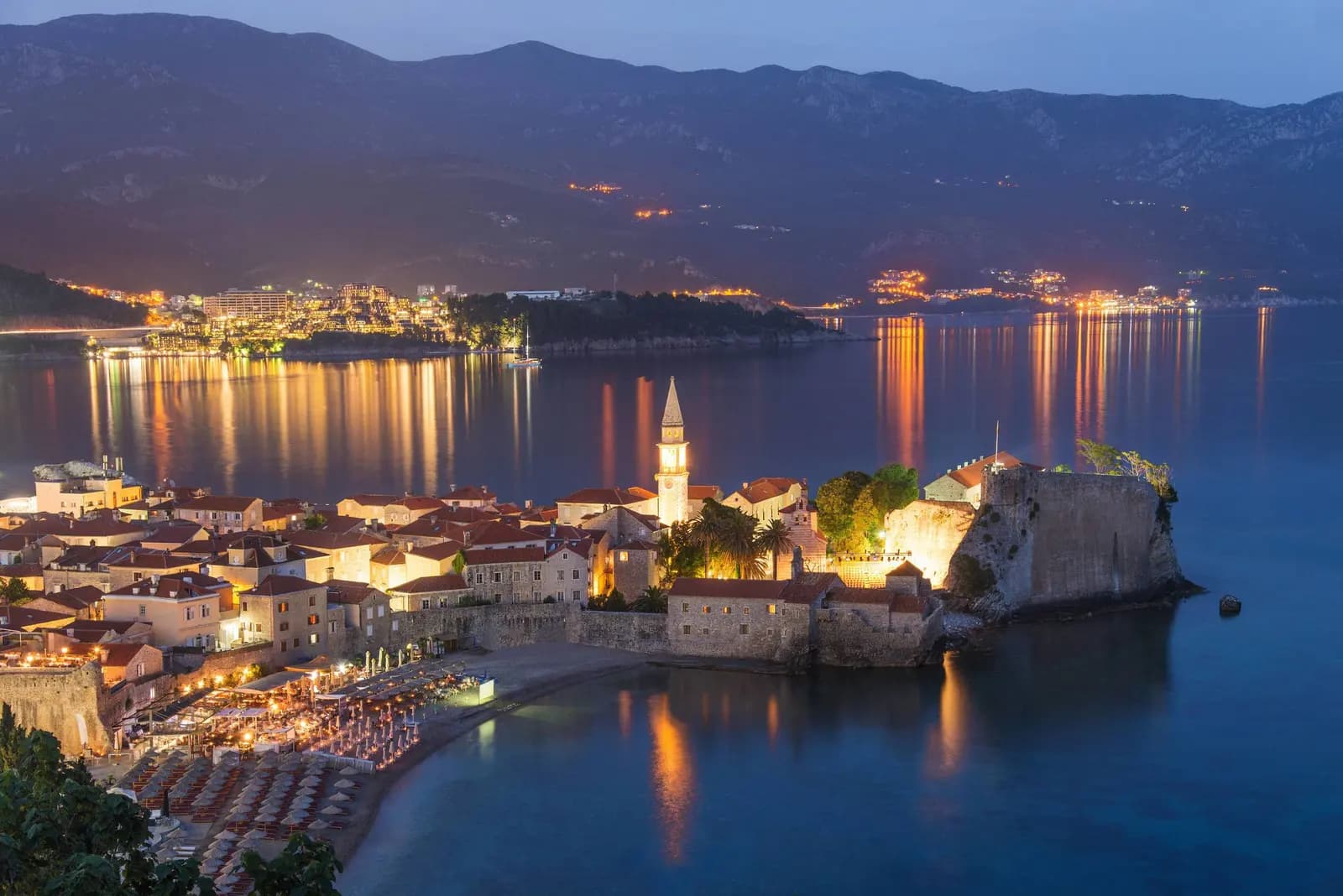
Budva is Montenegro's most popular coastal resort town. Nestled along a stunning stretch of coastline known as the Budva Riviera, this ancient settlement combines over 2,500 years of history with a thoroughly modern beach-holiday atmosphere. The jewel of the town is Stari Grad, a beautifully preserved medieval walled city perched on a rocky peninsula, where narrow cobblestone lanes wind past stone churches, open-air cafes, and the imposing Citadela fortress that offers panoramic views across the sea. The beaches around Budva are the main reason people come. Mogren Beach, tucked beneath dramatic cliffs just a short walk from the Old Town, is a local favorite, while the long pebbly sweep of Bečići — regularly voted one of Europe's best beaches — lies just to the south. Jaz Beach, a few kilometers to the west, is famous for hosting major open-air music events and offers a more relaxed, spacious feel. The entire Riviera stretches from Jaz all the way south to Petrovac, delivering one spectacular cove after another. When the sun goes down, Budva transforms into Montenegro's nightlife capital. Top Hill, an open-air mega-club perched on a clifftop above the town, draws international DJs and partygoers throughout the summer season. The Old Town itself fills with live music, cocktail bars, and the annual Budva Summer Arts Festival, which stages theatre, dance, and concerts against the backdrop of ancient stone walls. A stroll along Slovenska Obala, the palm-lined seafront promenade, is the perfect way to enjoy a warm Adriatic evening. With direct bus connections from Podgorica Airport (TGD) and Tivat Airport (TIV) — both under an hour away — Budva is easy to reach and makes an ideal base for exploring the entire Montenegrin coast. Day trips to the iconic island of Sveti Stefan, the fjord-like Bay of Kotor, and the mountains of Lovćen National Park are all within easy reach. Whether you come for the history, the beaches, the nightlife, or all three, Budva delivers an unforgettable Mediterranean experience.
Then & now

 c. 1890Today