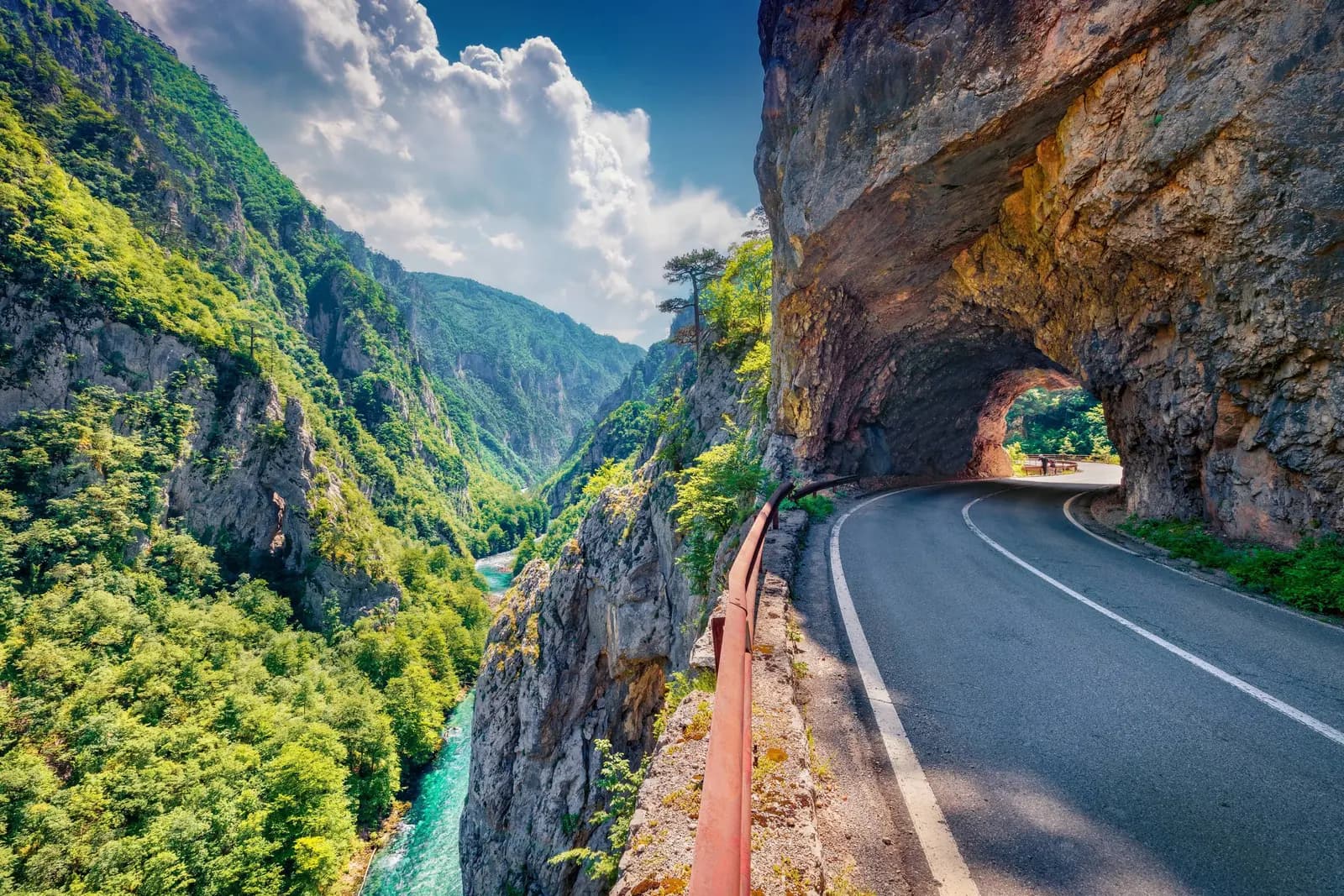
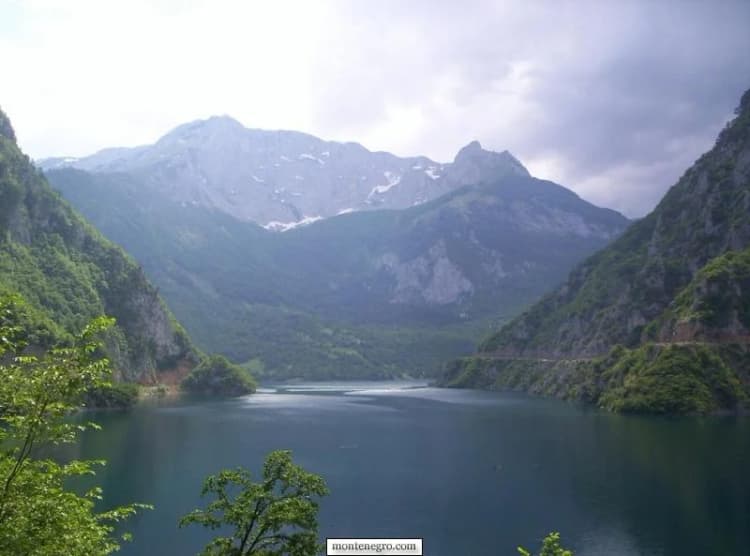
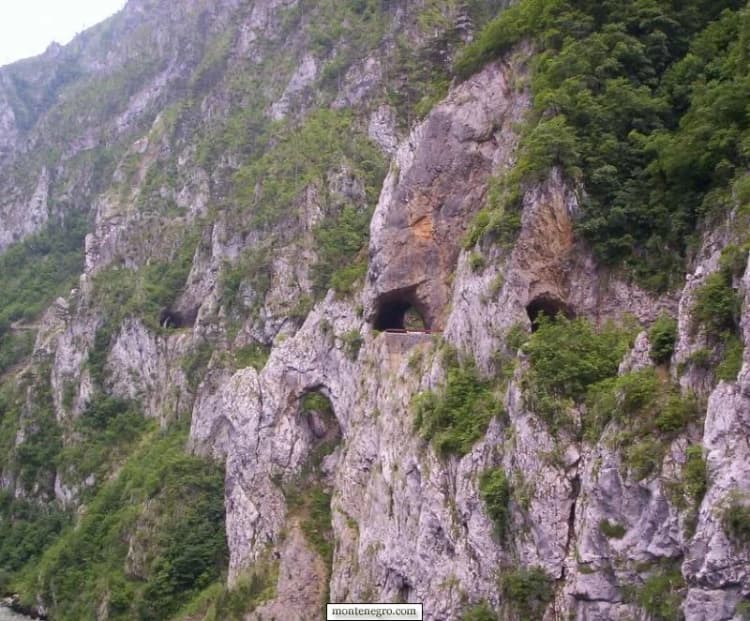
Piva ima najviše smisla ako se čita kao pejzaž koji je namjerno preuređen. Duboka riječna klisura postala je hidroenergetska akumulacija; staro naselje Plužine nestalo je ispod nove vodene linije; manastir iz šesnaestog vijeka rastavljen je i ponovo sagrađen više na padini; a zamjenski put prosječen je kroz krečnjak. Plavozeleno jezero jeste spektakularno, ali dokazi iza njega znače koliko i pogled.
Ovaj vodič razdvaja četiri stvari koje se često stapaju: širu oblast Pive, Park prirode Piva, vještačku akumulaciju i dobro svjetske baštine Durmitor. Narodne rang-liste i čvrsta sezonska obećanja zamjenjuje činjenicama s oznakom izvora i provjerama koje putnik može da obavi tog dana.
Šta „Piva“ znači na karti
Piva može označavati istorijsku i geografsku oblast, rijeku, akumulaciju ili zaštićeni pejzaž kojim se upravlja kao Parkom prirode Piva. Te granice se ne poklapaju. Zvanični profil parka park prirode smješta između granice s Bosnom i Hercegovinom i granice Nacionalnog parka Durmitor i opisuje ga kao vezu među zaštićenim pejzažima. To čitavu akumulaciju, grad ili oblast ne čini dijelom jedne zakonske kategorije.
Razlika kod UNESCO-a još je uža. Zapis o svjetskoj baštini Durmitora obuhvata nacionalni park i klisuru rijeke Tare unutar dobra opisuje kao najdublju u Evropi. Ne podupire poznatu tvrdnju da je Tara „drugi najveći kanjon poslije Kolorada“, pa je ovaj vodič ne ponavlja. UNESCO-ov profil rezervata biosfere još je jedna kategorija, s drugom svrhom.
| Element | Status | Odnos |
|---|---|---|
| Oblast Pive | Park prirode | Sadrži akumulaciju |
| Akumulacija | Unutar parka prirode | — |
| Durmitor | Dobro UNESCO-a | Susjedna veza, a ne jedna granica |
Izvor: parkpiva.com, whc.unesco.org, unesco.org
Brana je promijenila više od rijeke
Hidroelektrana Piva počela je s radom 13. jula 1976, prema tadašnjem inženjerskom prikazu. Njena betonska lučna brana visoka 220 metara pregradila je rijeku i stvorila dugu akumulaciju koja se danas vidi. Zvanični opis jezera na stranici parka bilježi nastalo potapanje i potrebu da se manastir izmjesti; zamjensko naselje i saobraćajnice usječene u stijenu pokazuju da je ovo bila društvena i prostorna promjena, a ne samo inženjerski objekat.
Krupnim inženjerskim brojkama trebaju njihove oznake, datumi i definicije. IBE, inženjerska kompanija čija stranica projekta kao naručioca navodi EPCG, u profilu projekta daje 824 miliona kubnih metara akumulacije, 342 MW instalisane snage i 860 GWh proizvodnje. Inženjerski prikaz iz 1976. takođe koristi 860 GWh kao prosječnu godišnju vrijednost iz projektne faze. Nasuprot tome, prenosni operater CGES bilježi 746 GWh proizvedenih u 2024. Profil ili projektno očekivanje nije ista mjera kao učinak jedne godine, pa ih ne treba predstavljati kao suparničke procjene jednog bezvremenog broja.
| Mjera | Objavljena vrijednost | Izvor i značenje |
|---|---|---|
| Visina brane | 220 m | Profil IBE-a i inženjerski prikaz iz 1976. se slažu |
| Instalisana snaga | 342 MW | Profil projekta IBE-a |
| Zapremina akumulacije | 824 miliona m³ | Profil projekta IBE-a |
| Projektna proizvodnja | 860 GWh | Profil IBE-a i inženjerski rad iz 1976. |
| Stvarna proizvodnja u 2024. | 746 GWh | Izvještaj CGES-a o radu za 2024; jedna zabilježena godina |
Siguran zaključak je skroman: visina brane od 220 metara i instalisana snaga od 342 MW snažno su potkrijepljene, dok godišnja energija mora zadržati svoju vremensku osnovu. Inženjerski rad iz 2022 dokumentuje unapređenja sistema za seizmički nadzor brane, ali tehnička studija ne daje pristup posjetiocima niti utvrđuje gdje putnik smije da stane.
| Korak | Promjena |
|---|---|
| 1 | Radovi na brani |
| 2 | Nastala akumulacija |
| 3 | Zamjensko naselje |
| 4 | Novi put i most |
| 5 | Izmješten manastir |
Izvor: gradbenivestnik.zveza-dgits.si, ibe.si
Grad ponovo sagrađen iznad svog prethodnika
Današnje Plužine nisu stari grad uz rijeku koji je usput dobio pogled na jezero. To je zamjensko naselje nastalo zato što je raniji grad ležao u zoni potapanja. Ta razlika objašnjava njegov uzdignut položaj i razmjerno savremeno tkivo. Obala akumulacije može se dizati ili spuštati s radom elektrane; plava mrlja na karti nije obećanje da će svaka uvala po dolasku izgledati isto.
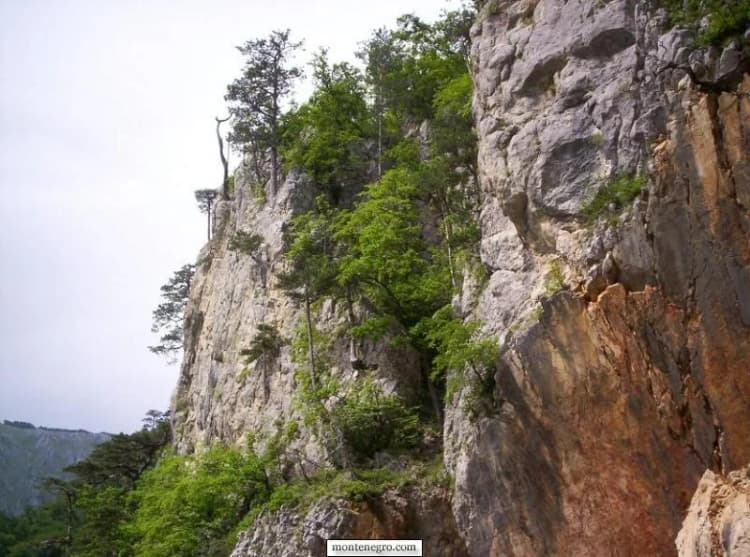
Putnici treba i da odole tome da put shvate kao pasivnu vidikovačku platformu. Prilaz obuhvata izložene padine, uske djelove i mnogo tunela usječenih u stijenu. Prekogranična studija rizika parka izričito prepoznaje prekid usljed klizišta kao opasnost na koridoru koji povezuje Plužine, Šćepan Polje i Foču. Skrenite s puta samo tamo gdje geometrija puta i znaci to dopuštaju; nikad se ne zaustavljajte u tunelu ni u nepreglednoj krivini.
Manastir izmješten iznad vode
Pivski manastir je najjasnija kulturna protivteža brani. Zvanični profil parka prirode gradnju crkve Uspenja Bogorodice datira u 1573–1586. i pripisuje je mitropolitu Savatiju Sokoloviću. Kad je akumulacija ugrozila prvobitno mjesto blizu izvora rijeke, kompleks je prenesen u Sinjac, zajedno s izvornim programom fresaka.
Park taj poduhvat opisuje kao jedinstveno graditeljsko dostignuće, ali to nije dokaz da nijedan drugi manastir igdje nikad nije premješten. Priča koja se može braniti ionako je izuzetna: kompleks i njegov izvorni freskopis prenijeti su da bi spomenik preživio iz temelja izmijenjenu dolinu.
To je i dalje vjerski objekat, a ne scenografija za razgledanje. Obucite se i ponašajte u skladu s tim, govorite tiho i poštujte sva ograničenja fotografisanja istaknuta na licu mjesta. Objavljeni podaci o nasljeđu ne utvrđuju današnje radno vrijeme, raspored bogosluženja, uslove ulaska ni zajemčen pristup unutrašnjosti. Potvrdite na licu mjesta prije nego što unutrašnjost crkve postane jedina svrha dugog zaobilaska.
| Tvrdnja | Status | Detalj |
|---|---|---|
| Crkva sagrađena | Utvrđeno | 1573–1586. |
| Prvobitnom mjestu prijetilo potapanje | Utvrđeno | Premješten u Sinjac |
| Freskopis sačuvan pri premještanju | Dokumentovano | — |
| „Jedini manastir ikad premješten“ | Nije utvrđeno | — |
| Današnje radno vrijeme ili pristup | Nije utvrđeno | — |
Izvor: parkpiva.com, gradbenivestnik.zveza-dgits.si
Tara, Piva i sastav
Na Šćepan Polju Tara i Piva sastaju se i grade Drinu. Ta geografija naselje čini operativnim središtem za rafting i čvorom pograničnog puta, ali ga ne treba svesti na rampu za spuštanje čamaca. Za usredsređen prikaz pristupa i sastava koristite vodič o Šćepan Polju zasnovan na dokazima; za stanje u klisuri i izbor raftinga nastavite na vodič kroz kanjon Tare.
UNESCO navodi da Tara teče više od 60 kilometara kroz dobro svjetske baštine Durmitor. To podupire međunarodni značaj klisure za zaštitu prirode. Ne potvrđuje nijednog organizatora, ne jemči plovan vodostaj odabranog dana i ne čini svaku aktivnost bezopasnom po životnu sredinu. Zaštićen status i komercijalne bezbjednosne provjere odgovaraju na različita pitanja.
Rafting: provjerite organizatora, a ne samo vrijeme
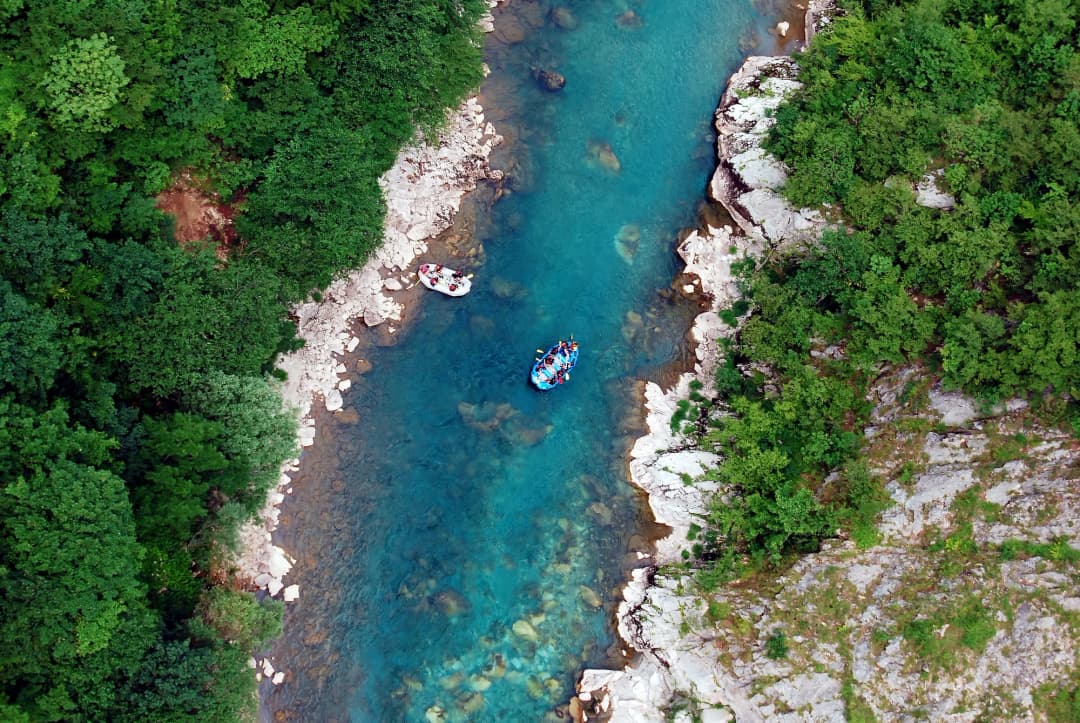
Crna Gora komercijalni rafting tretira kao regulisanu turističku djelatnost. Vladini uslovi za izdavanje odobrenja traže saglasnost ministarstva, vođu čamca s nacionalnom kvalifikacijom ili IRF licencom, osiguranje od odgovornosti i osiguranje korisnika, dozvolu za plovidbu i potvrdu o usklađenosti s pravilima bezbjednosti plovidbe. Zakon o raftingu traži i odgovarajući pristup, vodostaj, dubinu i širinu za odobrenu rutu.
Prije plaćanja tražite od organizatora da imenuje licenciranog vođu, tačnu rutu, koje osiguranje važi, jesu li prsluk za spasavanje i kaciga uključeni i šta se dešava ako se ruta obustavi. Pitajte ponovo ujutru na dan polaska o vodi i vremenu. Sajt koji kaže „sezona otvorena“ ne zamjenjuje odluku na nivou rute.
Za tehničke ture po kanjonima drugdje važi isto načelo: koristite stručno lokalno vođstvo i aktuelnu procjenu ide/ne ide. Vodič o bezbjednosti kanjoninga u Crnoj Gori objašnjava zašto zapamćen mjesec ili snimak s mreža ne mogu utvrditi bezbjedan protok.
Praktične odluke o putu: provjerite istog dana
Stanje puteva ovdje se mijenja sa snijegom, odronima, radovima i privremenim režimima. Na dan putovanja provjerite izvještaj AMSCG-a o stanju na putevima, pa ponovo provjerite poslije nevremena. Slikovita planinska veza prema Durmitoru nije isto što i glavni prilaz iz Nikšića. Aplikacija za navigaciju može prikazati liniju, a da ne prenese širinu puta, osvjetljenje u tunelu, izloženost ivice ili privremenu zabranu.
| Provjera | Ako ne ili nejasno | Ako da |
|---|---|---|
| Je li ruta otvorena po AMSCG-u? Nema zabrane ni ograničenja koje vas pogađa? | Zastanite ili promijenite rutu — potvrdite prije polaska | Sljedeća provjera |
| Odgovaraju li vrijeme i lokalni uslovi? Uključite skorašnju kišu, snijeg i odrone | Ne improvizujte — promijenite plan ili sačekajte | Nastavite oprezno |
| Rafting | — | Provjerite odobrenje, vođu, rutu i opremu |
Izvor: amscg.org, gov.me, parkpiva.com
Gradite posjetu oko dokaza, a ne oko kilometraže
Ako imate pola dana
Izaberite jedno smisleno težište. Pogledajte akumulaciju s propisnih mjesta za zaustavljanje i provedite vrijeme u gradu, ili posjetite manastir pošto potvrdite pristup. Ne dodajte udaljen dio klisure samo zato što karta nagovještava malu kilometražu. Kratka razdaljina na planinskom putu može sadržati najveću neizvjesnost tog dana.
Ako imate cijeli dan
Spojite pejzaž akumulacije, grad i manastir, uz znatnu rezervu za tunele, radove na putu i nepredviđena zaustavljanja. Prije nego što dodate prelazak preko visoke planine, pročitajte vodič o otapanju i sezonskim rizicima na Durmitoru. Ako vaša ruta nastavlja na istok, vodič o mostu na Đurđevića Tari pomaže da se posjeta vidikovcu razdvoji od plana za kanjon ili rafting.
Ako imate dva dana
Prvi dan iskoristite za preobraženi kulturni pejzaž, a drugi za jednu aktivnost koja zavisi od vremena. Tako ostaje prostora da se izlazak na rijeku otkaže ili zamijeni bez gubitka cijelog puta. Za drugačiji prilaz putem i planinski kontekst, vodič kroz Viluse korisniji je od pretpostavke da svaki planinski put nudi jednak pristup.
Odgovorne odluke na terenu
- Ne shvatajte put kao svoj jedini. Koristite obilježena proširenja, držite tunele slobodnim i očekujte druga vozila iza nepreglednih krivina.
- Ne shvatajte boju vode kao znak bezbjednosti. Rad akumulacije, hladna voda, dubina i uslovi pristupa ne vide se na fotografiji.
- Držite kategorije precizno. Park prirode, nacionalni park, rezervat biosfere i dobro svjetske baštine imaju različite granice i pravila.
- Pitajte prije fotografisanja bogosluženja. Status spomenika ne ukida vjersku upotrebu ni norme zajednice.
- Koristite regulisane organizatore. Tražite odobrenje i kvalifikovanog vođu umjesto da se oslonite samo na recenzije.
- Nosite rezervni plan. Plan na putu ili rijeci koji ne podnosi otkazivanje loše pristaje pejzažu osjetljivom na vrijeme.
Često postavljana pitanja
Je li Pivsko jezero prirodno?
Nije. To je akumulacija nastala hidroenergetskim projektom Piva i branom dovršenom sedamdesetih godina.
Je li cijela Piva unutar UNESCO dobra Durmitor?
Nije. Šira oblast, Park prirode Piva, akumulacija i dobro svjetske baštine Durmitor povezani su, ali nisu istovjetni. Provjerite kategoriju koja važi za tačno to mjesto.
Je li Pivski manastir zaista premješten?
Jeste. Zvanični izvori parka i EPCG dokumentuju premještanje iz zone potapanja u Sinjac, uključujući očuvanje freskopisa. Ne utvrđuju naslijeđenu svjetsku tvrdnju da je to bio jedini manastir ikad premješten.
Koja je tačna zapremina akumulacije?
Profil projekta IBE-a objavljuje 824 miliona kubnih metara akumulacije. To je vrijednost koja se ovdje koristi; drugačije označena pogonska ili korisna zapremina ne smije se uzeti umjesto nje bez svoje definicije.
Mogu li se osloniti na običnu rutu s karte?
Koristite je za snalaženje, a ne kao aktuelan izvještaj o bezbjednosti. Na dan polaska provjerite AMSCG za zabrane i ograničenja, naročito poslije nevremena.
Kako da procijenim rafting agenciju?
Tražite zvanično odobrenje, kvalifikovanog vođu ili onog s IRF licencom, tačnu odobrenu rutu, dokumentaciju plovila, osiguranje, bezbjednosnu opremu i pravilo o otkazivanju. To jutro ponovo potvrdite stanje rijeke i vremena.
Izvori, metod i ispravke
Ovaj tekst prvenstvo daje operateru elektrane i inženjerskom izvođaču za specifikacije projekta; upravi parka za zaštićeni pejzaž i manastir; UNESCO-u za međunarodne kategorije; Vladi Crne Gore za propise o raftingu; i AMSCG-u za aktuelno stanje na putevima. Gdje se vrijednosti razilaze, tabela čuva oznaku izvora umjesto da ih prosječuje. Promotivni superlativi, nepotkrijepljene tvrdnje o ljekovitosti, čvrsto određene bezbjedne sezone i neprovjereno radno vrijeme su uklonjeni.
Putevi, stanje rijeke i pristup mogu se promijeniti poslije objavljivanja. Prije puta provjerite povezani aktuelni izvor ili nadležni organ. Ako se zvanični zapis promijeni ili je izvor pogrešno pročitan, pošaljite tačan URL i tvrdnju kroz kanal za ispravke Montenegro.com da bi se datirani dokazi preispitali.