Blog
Stories, guides, and insights about Montenegro
Culture & History
View all articles→ Culture & HistoryUpdated
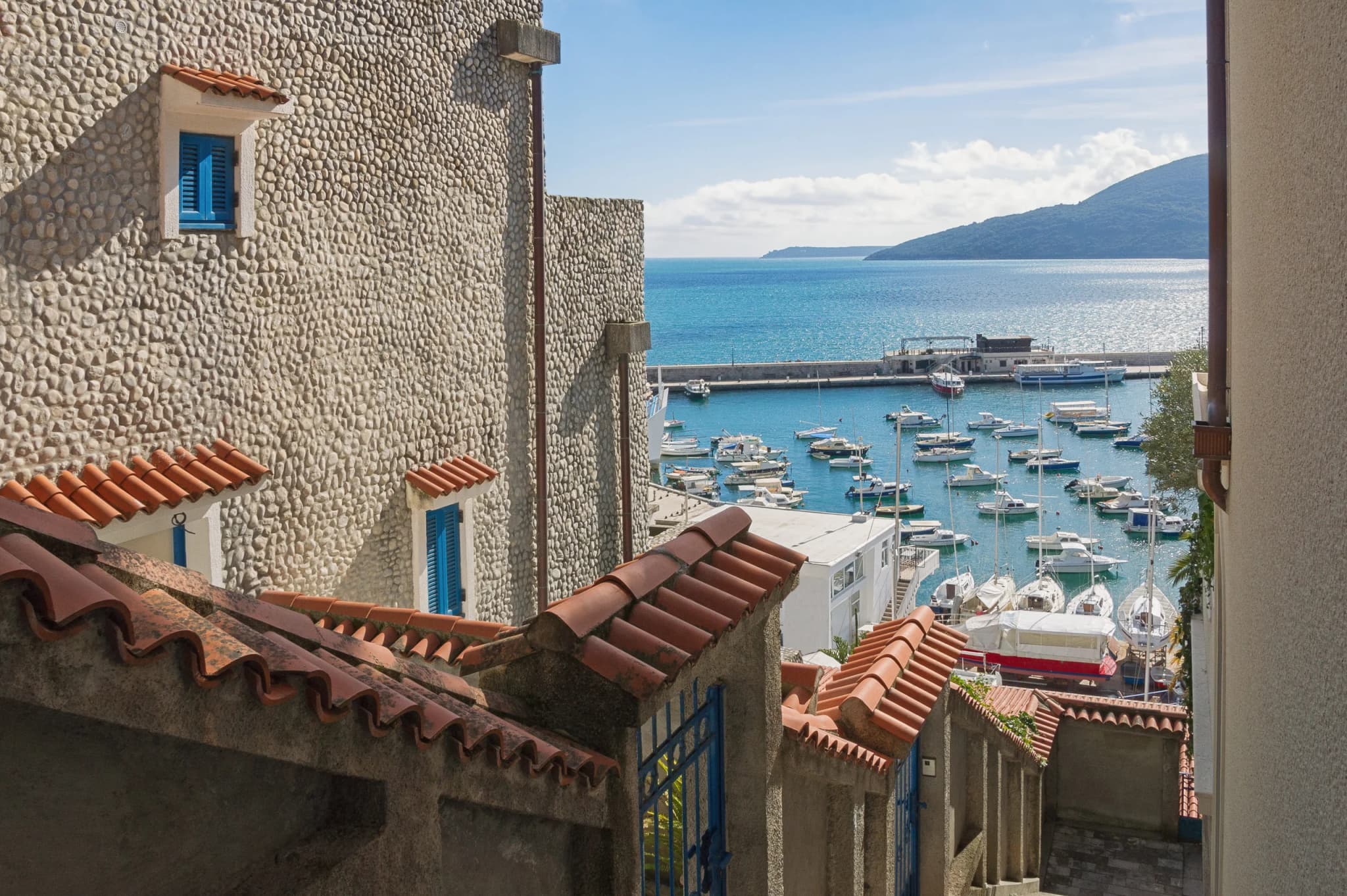
Tre Sorelle: The Palace of the Three Sisters in Prčanj
At Glavati on the Prčanj shore stands a small Gothic palace with three matching wings and a legend of three sisters who loved the same sailor. Here is what the records say — and what the story adds.
Jul 13, 20265 min
 Culture & HistoryUpdated
Literary Topla 2026: Njegoš’s School and Andrić’s House
Walk between Njegoš’s protected school complex and Ivo Andrić’s only built home with verified dates, museum context and current visit planning.
Jul 13, 202611 min
 Culture & HistoryUpdated
Stara Maslina in Bar: Age, Evidence and 2026 Visit Guide
Meet Bar's ancient Stara Maslina with the evidence kept separate from legend: its 2,240-year estimate, 1957 protection, living fruit and current visit details.
Jul 13, 202612 min
Destinations
View all articles→ DestinationsUpdated
Montenegro Joins the EU for the Price of a Coffee — So Come Drink Yours Here
The EU says adding Montenegro costs each European about 1 euro a year — a cheap cup of coffee. Here are 10 places to spend that coffee money, from Kotor's walls to Durmitor's peaks.
Jul 14, 20265 min
 DestinationsUpdated
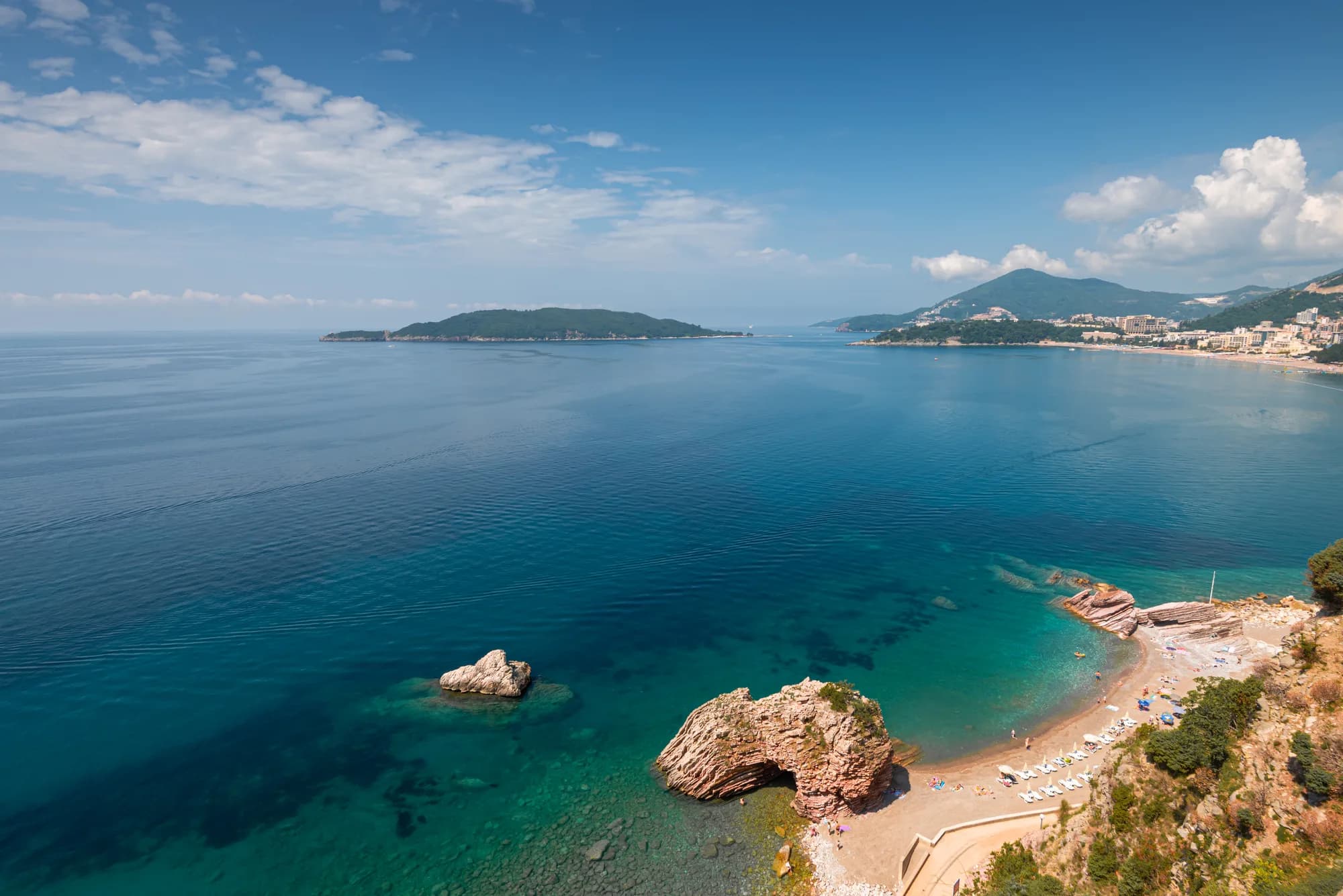
Žukotrlica Beach 2026: Water Results, Pines and History
Plan a swim at Bar’s pine-backed Žukotrlica shore with three-point 2026 water results, public-beach rules, protected-landscape context and the evidence behind its Spanish-broom name.
Jul 13, 202614 min
 DestinationsUpdated
Rafailovići: The Fishing Hamlet at the End of Europe's Most Beautiful Beach
At the eastern end of Bečići's famous sands, a stone fishing hamlet named for one old Paštrović family still cooks its own catch on the waterline. Rafailovići is where the resort riviera briefly remembers what it used to be.
Jul 13, 20265 min
Practical Info
View all articles→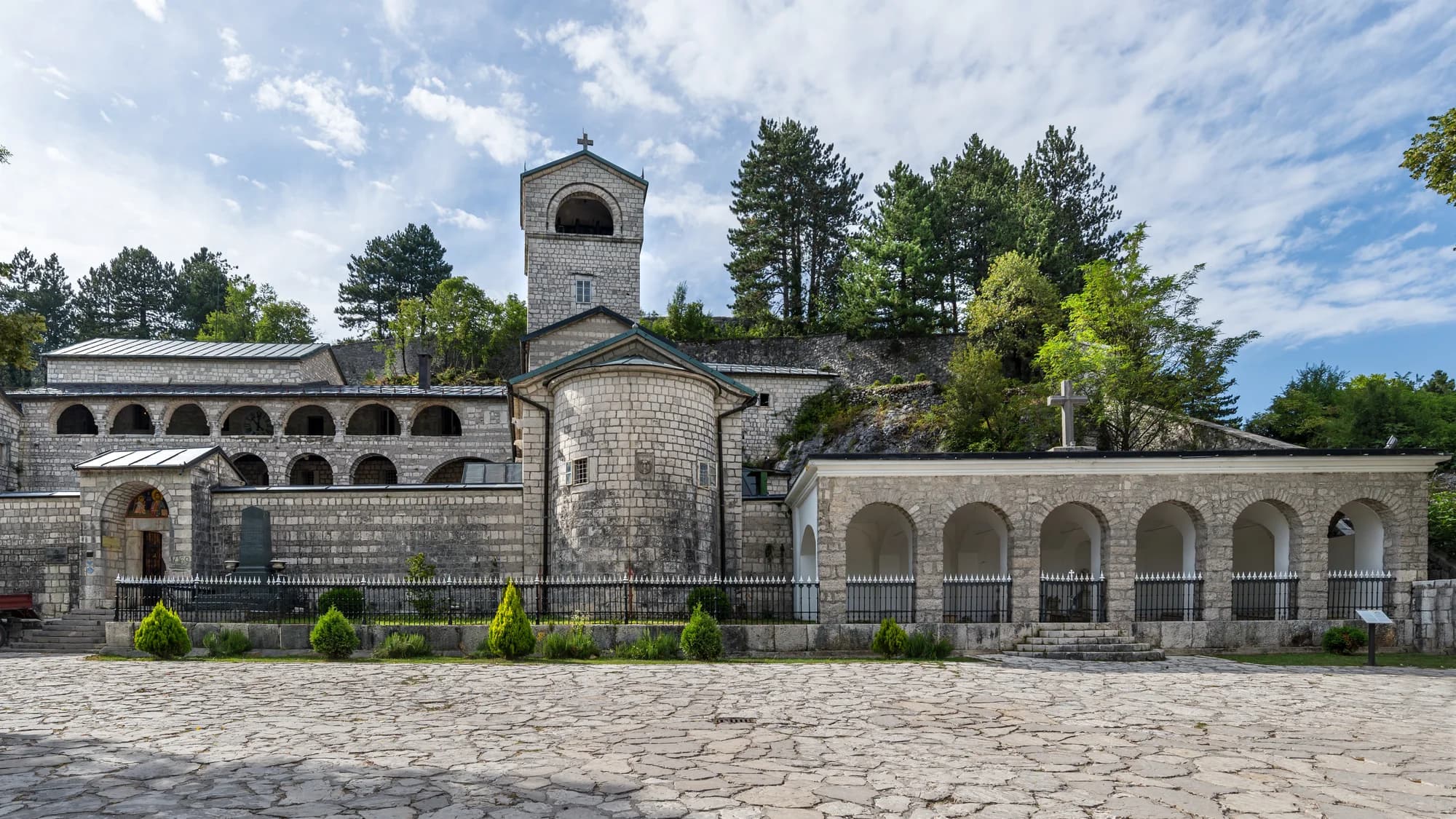 Practical InfoUpdated
What Language Do They Speak in Montenegro? A Traveller's Guide (2026)
Montenegrin is official, but there are two alphabets, two letters found nowhere else, and a large Albanian-speaking south. What you actually need to know, and the phrases worth having.
Aug 17, 20266 min
 Practical InfoUpdated
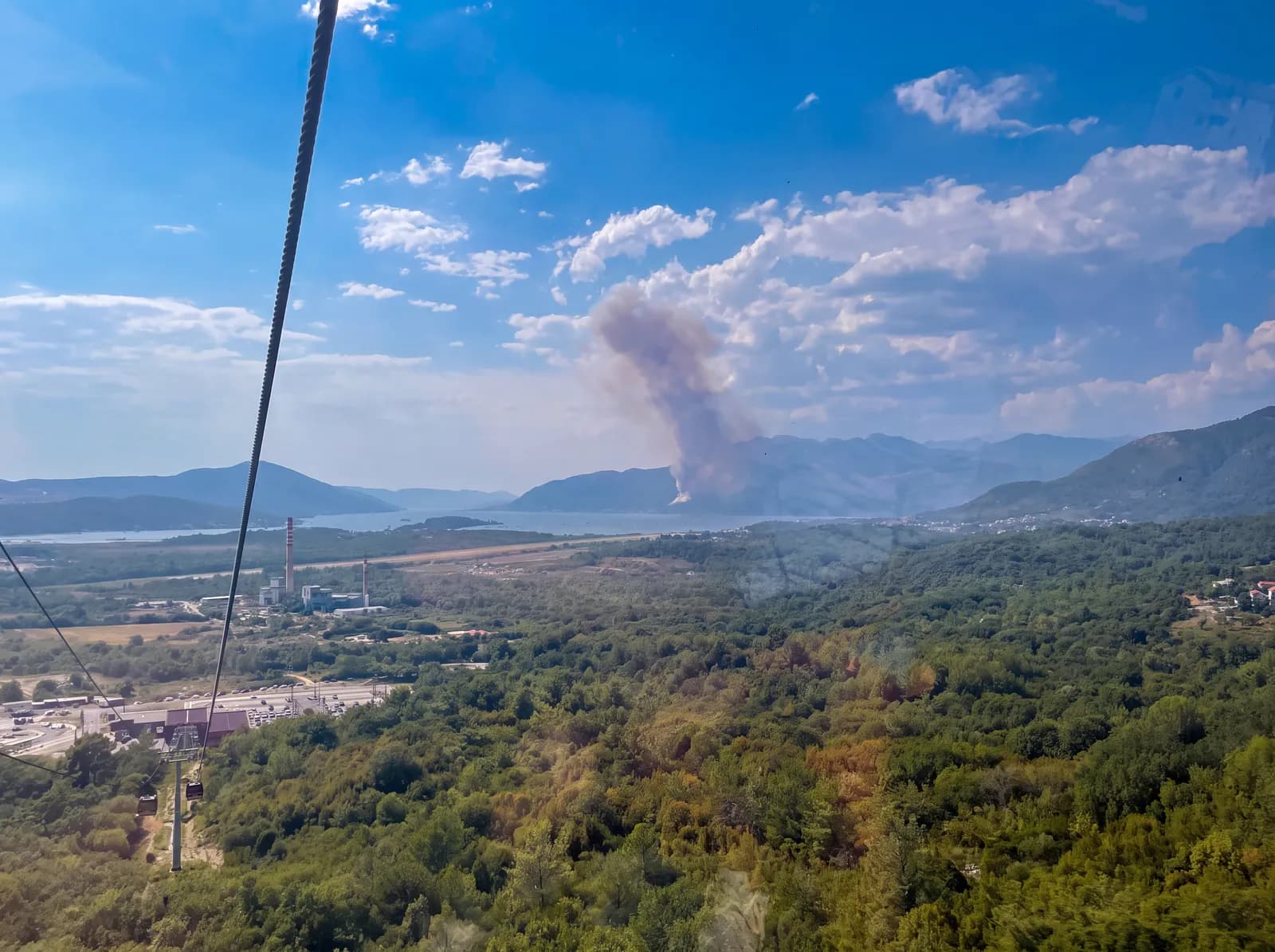
Montenegro Wildfires: Why the Coast's Fires Stop Where California's Accelerate
Montenegro's coastal fires look like California's on a phone screen and behave almost nothing alike. What actually disrupts a trip, whether to cancel, and why the protection is thinning.
Aug 15, 202617 min
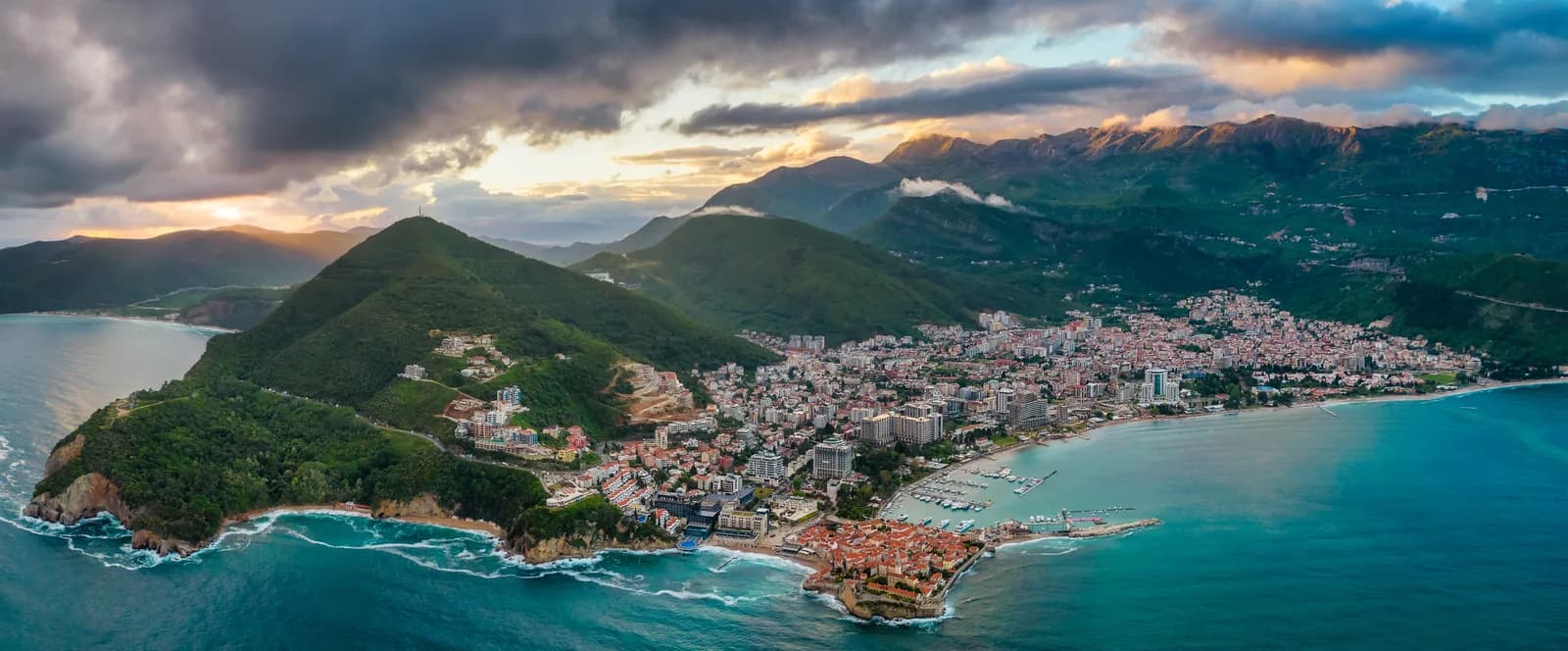 Practical InfoUpdated
Montenegro Tourist Tax & White Card Registration (2026): What Every Visitor Must Know
Every visitor to Montenegro pays a small nightly tourist tax (the sojourn tax) and must be registered with the authorities within 24 hours of arrival — a step locals call getting your "white card." It is one of the country's most misunderstood rules, and getting it wrong can mean a fine at the...
Aug 13, 202612 min
Latest Articles
 Travel GuidesNew
Extending Your Holiday South: From Montenegro into Albania
The Adriatic does not end at Montenegro's southern border. Twenty-five minutes past Ulcinj, the road bends toward Shkodër and a country that counted 12.5 million foreign visitors last year — and that most travelers on the Montenegrin coast never see.
6 days ago16 min
 Updated
Montenegro in 10 Days (and 2 Weeks): The Complete Road Trip (2026)
Ten days is enough to see all of Montenegro — not just the postcard coast, but the wild north most visitors miss. This is the complete road-trip itinerary: a full loop from the UNESCO-listed Bay of Kotor down the riviera, inland to Lake Skadar's pelicans and wineries, up to the cliff-carved Ostrog...
Aug 17, 202620 min
 ActivitiesUpdated
Diving and Snorkelling in Montenegro: Wrecks, Caves and Where to Go (2026)
A 1917 Austro-Hungarian cargo ship, a sunken patrol boat and Yugoslav navy submarine tunnels — all within half an hour of one harbour, in 30-metre visibility.
Aug 17, 20266 min
Practical InfoUpdatedWhat Language Do They Speak in Montenegro? A Traveller's Guide (2026)
Montenegrin is official, but there are two alphabets, two letters found nowhere else, and a large Albanian-speaking south. What you actually need to know, and the phrases worth having.
Aug 17, 20266 min
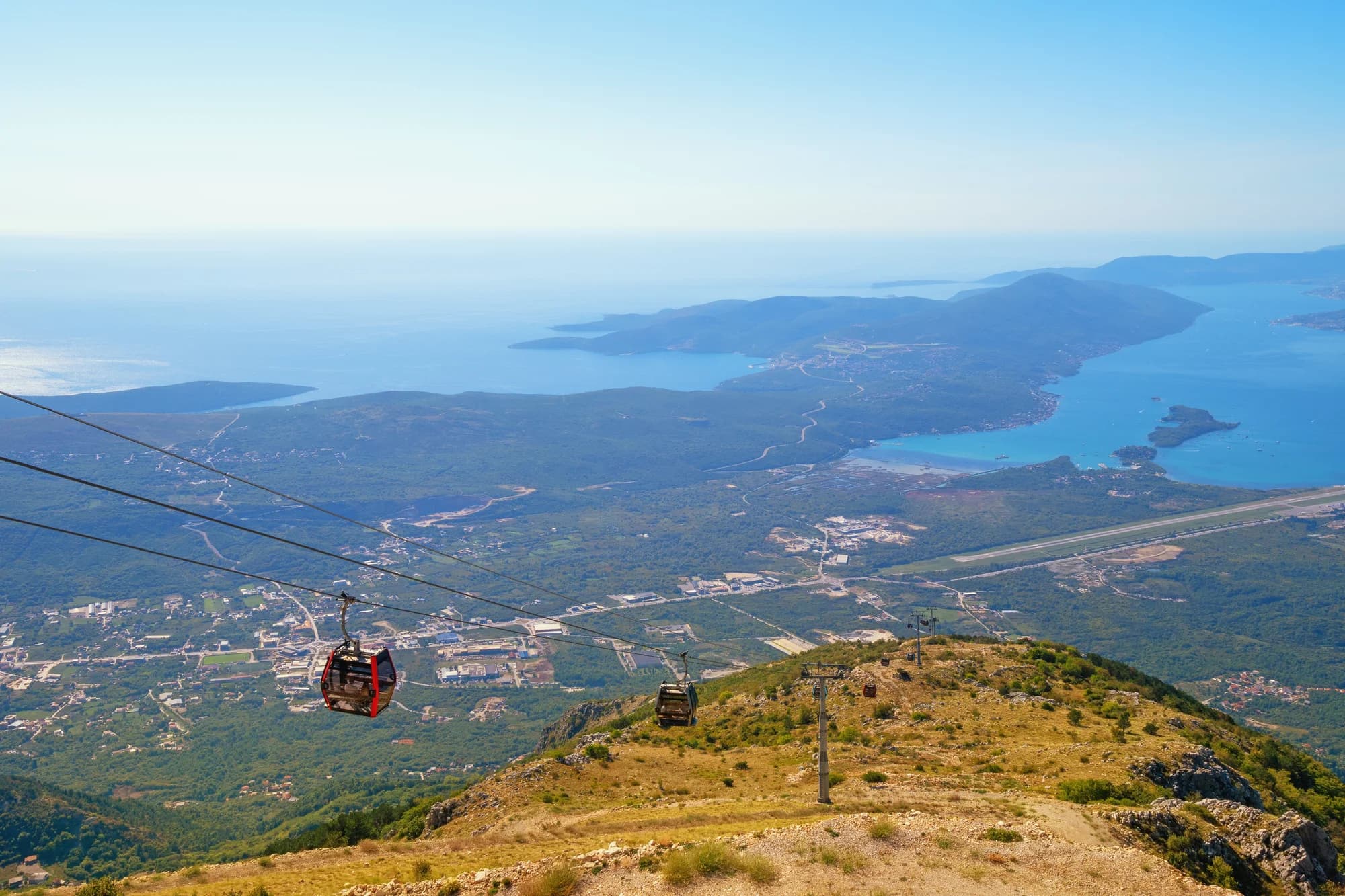 ActivitiesUpdated
The Blue Cave, Montenegro: Boat Tours, Best Time and What to Know (2026)
It isn't in the Bay of Kotor, the blue only appears for a few hours a day, and where you sail from changes everything. A practical guide to Montenegro's most booked boat trip.
Aug 17, 20266 min
Practical InfoUpdatedMontenegro Wildfires: Why the Coast's Fires Stop Where California's Accelerate
Montenegro's coastal fires look like California's on a phone screen and behave almost nothing alike. What actually disrupts a trip, whether to cancel, and why the protection is thinning.
Aug 15, 202617 min
Practical InfoUpdatedMontenegro Tourist Tax & White Card Registration (2026): What Every Visitor Must Know
Every visitor to Montenegro pays a small nightly tourist tax (the sojourn tax) and must be registered with the authorities within 24 hours of arrival — a step locals call getting your "white card." It is one of the country's most misunderstood rules, and getting it wrong can mean a fine at the...
Aug 13, 202612 min
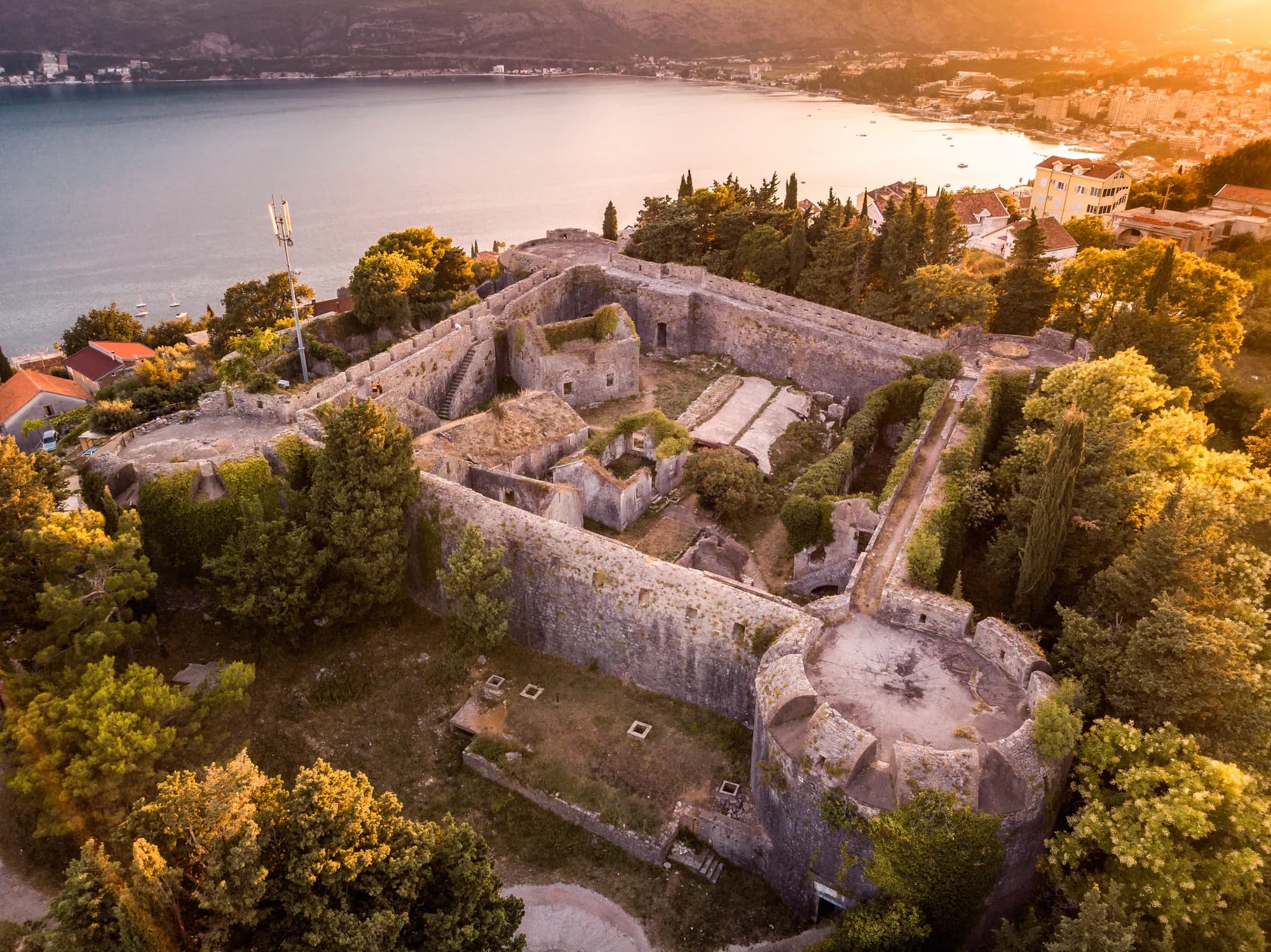 Practical InfoUpdated
What No Guidebook Tells You About Visiting Montenegro in High Season (2026)
Confirmed booking given away? No rental car waiting? Uber stopping at the border? Five things about Montenegro's high season that no guidebook mentions — from someone who has watched visitors learn them the hard way since 1996.
Aug 13, 202613 min
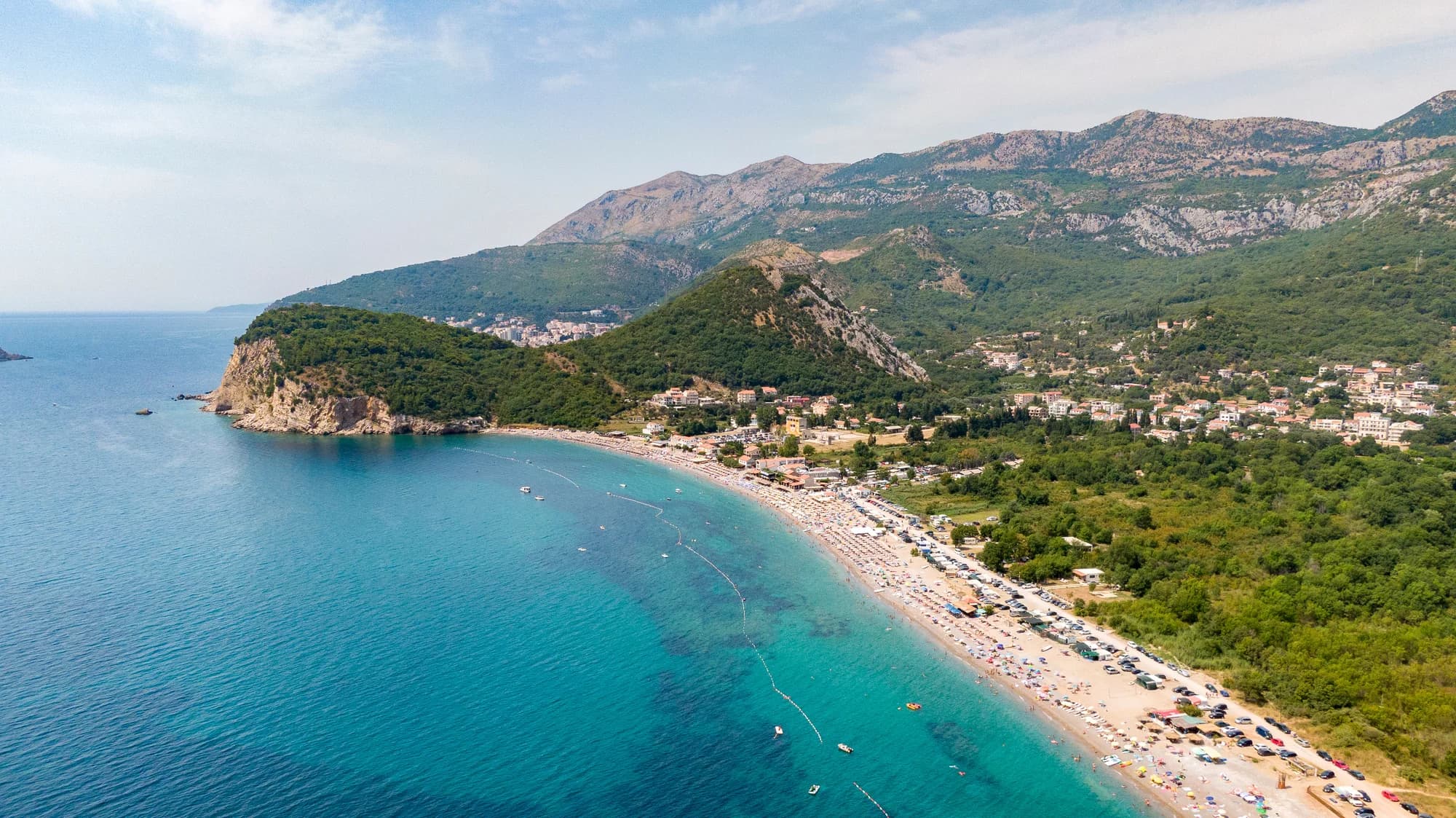 Travel GuidesUpdated
Montenegro Entry Requirements: What You Actually Need in 2026
Visa-free 90 days for most passports, the 30-day Schengen-visa route, the 1 November 2026 visa change, why ETIAS doesn't apply, and the new EES border queues — verified against official sources.
Aug 6, 20269 min
 Practical InfoUpdated
Is Montenegro Safe? A Practical 2026 Safety Guide for Travelers
Yes — Montenegro is a safe country to visit. Violent crime against tourists is rare, the streets of Kotor, Budva and Podgorica feel relaxed even after dark, and solo and female travelers generally report feeling comfortable. The real risks here are practical, not criminal: twisting mountain roads,...
Jul 22, 20269 min
DestinationsUpdatedMontenegro Joins the EU for the Price of a Coffee — So Come Drink Yours Here
The EU says adding Montenegro costs each European about 1 euro a year — a cheap cup of coffee. Here are 10 places to spend that coffee money, from Kotor's walls to Durmitor's peaks.
Jul 14, 20265 min
DestinationsUpdatedŽukotrlica Beach 2026: Water Results, Pines and History
Plan a swim at Bar’s pine-backed Žukotrlica shore with three-point 2026 water results, public-beach rules, protected-landscape context and the evidence behind its Spanish-broom name.
Jul 13, 202614 min
 Travel Guides
Ženska Plaža: Ulcinj's Women-Only Beach and Its Sulphur Spring
A sheltered cove where a sulphur spring meets the sea, reserved for women each summer season — a bathing tradition doctors have been recommending since the early twentieth century.
Jul 13, 20264 min
 ActivitiesUpdated
Ulcinj Salina: Flamingos at the Airport of the Adriatic Flyway
A 15 km² former saltworks outside Ulcinj, saved by a grassroots campaign and declared a Nature Park in 2019, is now one of Europe's great birdwatching wetlands — flamingos included.
Jul 13, 20264 min
Culture & HistoryUpdatedTre Sorelle: The Palace of the Three Sisters in Prčanj
At Glavati on the Prčanj shore stands a small Gothic palace with three matching wings and a legend of three sisters who loved the same sailor. Here is what the records say — and what the story adds.
Jul 13, 20265 min
Culture & HistoryUpdatedLiterary Topla 2026: Njegoš’s School and Andrić’s House
Walk between Njegoš’s protected school complex and Ivo Andrić’s only built home with verified dates, museum context and current visit planning.
Jul 13, 202611 min
Culture & HistoryUpdatedStara Maslina in Bar: Age, Evidence and 2026 Visit Guide
Meet Bar's ancient Stara Maslina with the evidence kept separate from legend: its 2,240-year estimate, 1957 protection, living fruit and current visit details.
Jul 13, 202612 min
 Culture & History
Slave Square and the Cervantes Legend of Ulcinj
In Ulcinj's Old Town, the square where corsairs once sold captives now bears Cervantes' name — thanks to a persistent legend that the author of Don Quixote was held here, and that Dulcinea remembers Dulcigno.
Jul 13, 20264 min
 Culture & HistoryUpdated
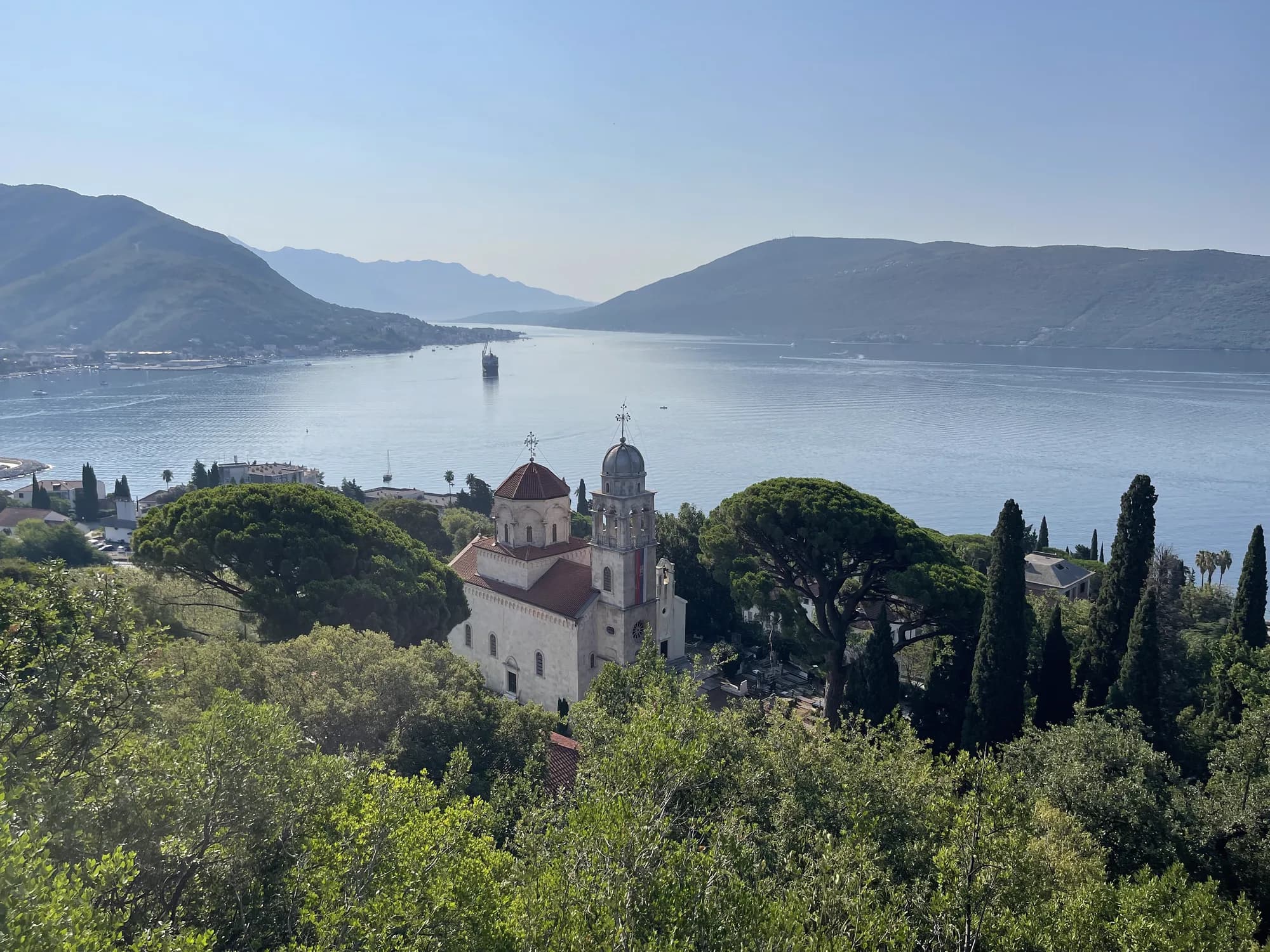
Savina Monastery: The Sanctuary Above the Bay
Founded by refugee monks fleeing the destruction of Tvrdoš in 1694, Savina Monastery grew into one of the richest treasuries of the Adriatic coast — three churches in an oak grove above the sea, with relics that reach back to medieval Serbia.
Jul 13, 20264 min








.webp&w=2048&q=75)




_mncom.webp&w=2048&q=75)






.webp&w=2048&q=75)

.webp&w=2048&q=75)